

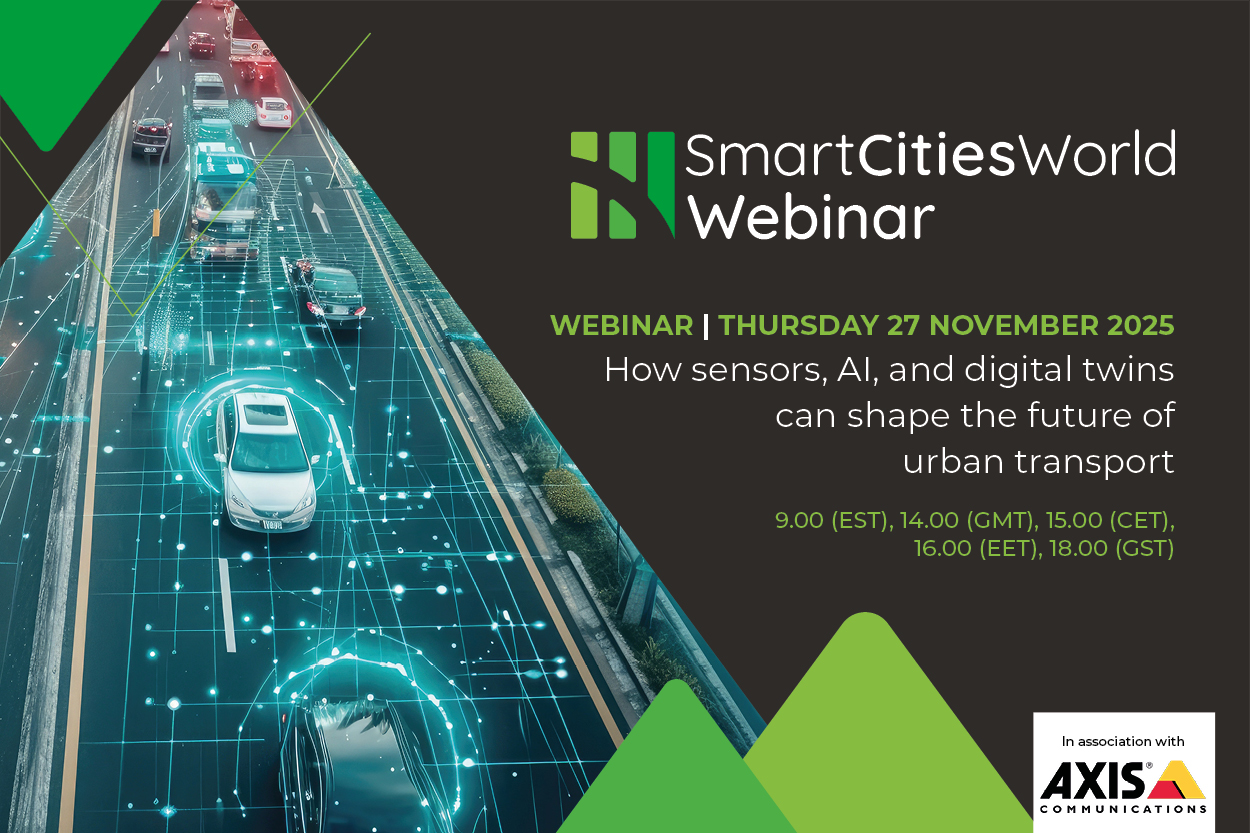
Transforming Urban Transport with AI and Digital Innovations
The rapid evolution of technology is paving the way for innovative approaches in urban transport. The integration of sensors, artificial intelligence (AI), and digital twin technology is becoming increasingly crucial in creating resilient and efficient urban infrastructure.
Recent discussions emphasizing the role of AI in infrastructure highlight its potential to enhance sustainability and operational efficiency in cities. By leveraging data collected from various sensors deployed throughout urban environments, city planners and transport operators can analyze traffic patterns, optimize routes, and improve overall public transport services.
AI for Resilient Infrastructure
The panel discussion on AI for resilient infrastructure focused on sustainable operations necessary for future-ready cities. Experts shared insights on how AI technologies can support the development of smart infrastructure, which is essential in managing increasing urbanization and the challenges associated with it.
Participants emphasized that the application of AI in transport systems can lead to better decision-making processes, ultimately resulting in reduced congestion and improved air quality. By analyzing vast amounts of data in real-time, AI can provide actionable insights that help city officials make informed choices regarding urban transport policies.
Unlocking Climate Finance for Urban Development
Another significant aspect discussed was the importance of unlocking climate finance to build city capacity and partnerships. The OnDemand COP30 Webinar highlighted innovative financing solutions that can enable cities to invest in sustainable transport systems, thereby enhancing their resilience against climate change.
As cities strive to become more sustainable, it is vital to establish partnerships with various stakeholders, including private sector entities, non-profit organizations, and governmental agencies. These collaborations can lead to the development of funding mechanisms that support the implementation of green transport initiatives.
The Role of Smart Cities in Urban Transport
The concept of smart cities integrates technology and data to enhance city living. Smart transport solutions, which include AI and the Internet of Things (IoT), are central to the smart city framework. These technologies allow for more responsive and adaptive transport systems that can meet the needs of urban populations.
For instance, smart traffic management systems utilize sensors to monitor traffic flow and adjust signal timings in real-time. This not only helps in reducing delays but also contributes to lowering emissions by promoting smoother traffic movement.
Future of Urban Transport
The future of urban transport is likely to be influenced by ongoing advancements in technology. Digital twins, which are virtual replicas of physical systems, enable city planners to simulate and analyze transport scenarios. By creating a digital twin of an urban transport network, stakeholders can evaluate the impact of various factors, such as population growth or infrastructure changes, and plan accordingly.
Moreover, the integration of electric and autonomous vehicles into urban transport systems presents new opportunities for reducing carbon footprints. As cities adopt these technologies, there will be a significant shift towards more sustainable transport options.
Stay Informed with SmartCitiesWorld Newsletters
For those interested in staying updated on the latest developments in smart cities, subscribing to our editorial newsletter is highly recommended. The newsletter compiles the latest news, city interviews, special reports, and guest opinions, providing valuable insights directly to your inbox.
As we continue to explore how AI, sensors, and digital twins can contribute to the future of urban transport, it is clear that these technologies hold the key to building sustainable, efficient, and resilient cities.
Source: Smart Cities World News